
Carbon Lock-in
The Climate Policy Paradox
For decades, climate policy faced a paradox.
Cost-effective energy solutions existed, yet adoption lagged and policy struggled to respond.
Carbon lock-in explains why—revealing how entrenched technological, institutional, and economic systems prevent even superior alternatives from scaling.
Foundational Publications
Carbon lock-in was introduced through a series of articles in Energy Policy, a leading journal shaping global thinking on energy and climate transition.
A top-tier, Q1 journal with an impact factor above 9 and an h-index over 290, it is a central outlet for influential policy research.

Understanding carbon lock-in
Energy Policy
Volume 28, Issue 12, 1 October 2000,
Introduced the concept of carbon lock-in. Became the most cited article in the journal’s history.
Escaping Carbon Lock-in
Energy Policy
Volume 30, Issue 4, March 2002
Identified niche strategies for breaking lock-in and highlighted the role of exogenous shocks in enabling transition..
Globalizing Carbon Lock-in
Energy Policy
Volume 34, Issue 10, July 2006
Showed how institutional and mimetic forces reinforce lock-in across countries, limiting the impact of technological leapfrogging..
From Concept to Canon
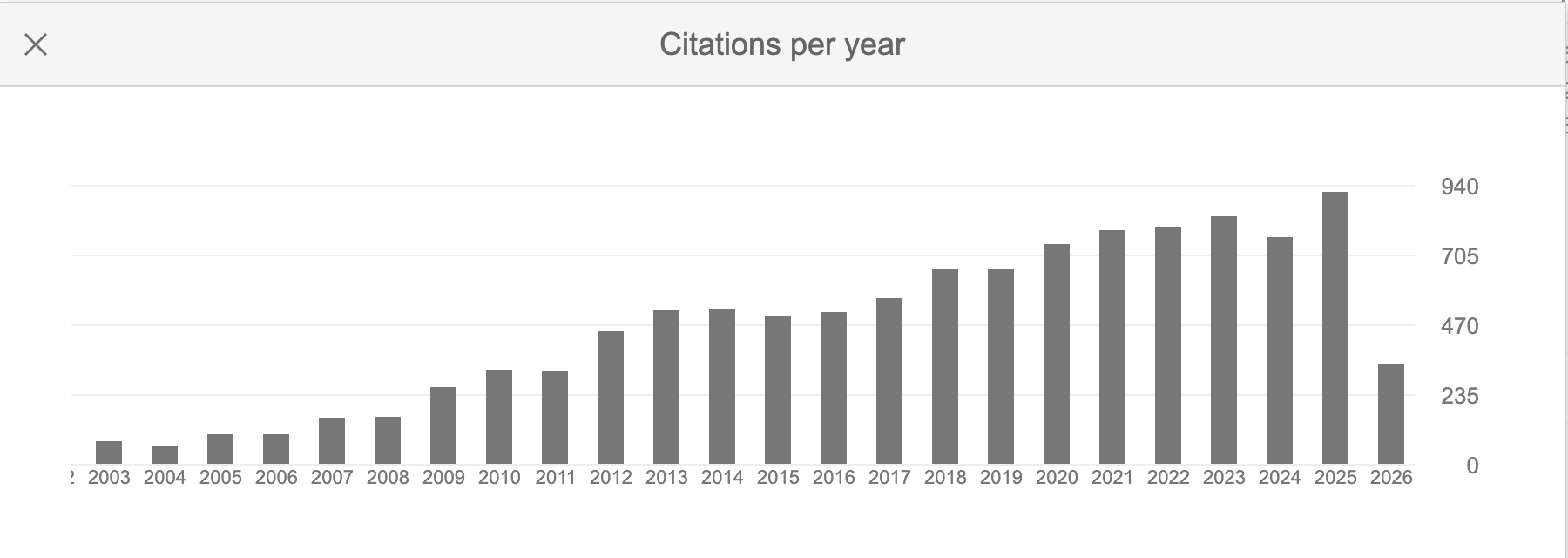
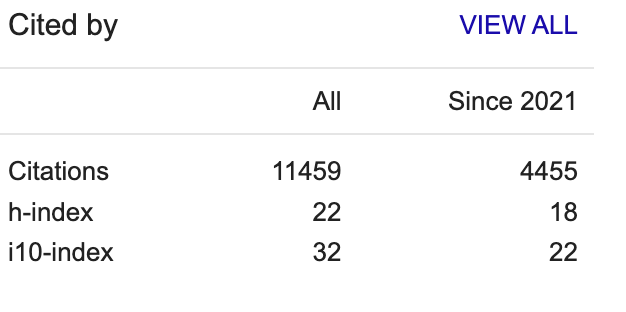
What began as a theoretical explanation has become a foundational framework used across research, policy, and industry.
Carbon lock-in is now widely applied to explain stalled energy transitions, institutional inertia, and systemic barriers to change.
Applications of Carbon Lock-In
Carbon lock-in has been used to explain why renewable energy adoption stalls, redefine stranded asset risk, and guide policies that unlock entrenched fossil-fuel systems.
These applications span energy systems, financial risk, and policy design.
The Real Stranded Assets of Carbon Lock-In
One Earth, 1, 399-401, December 2019
Extended the concept into financial risk and capital markets, reframing how stranded assets are understood in the energy transition.
Overcoming the lock-out of renewable energy technologies in Spain: The cases of wind and solar electricity
Renewable and Sustainable Energy Reviews. Fall 2007 (with Pablo Del Río)
Demonstrated how systemic and institutional barriers prevent renewable energy from scaling even under favorable economic conditions.
Prospective Voluntary Agreements for Escaping Techno-Institutional Lock-in,
Ecological Economics 57, 2006 (with Totti Könnölä).
Explored policy mechanisms designed to help industries break out of entrenched technological and institutional systems.
A New Generation of Carbon Lock-In Scholarship
Two decades on, carbon lock-in continues to shape new research across disciplines.
Recent work extends the framework into regional development, economic systems, and broader forms of path dependence—demonstrating its continued relevance in understanding large-scale transitions.
Carbon Lock-In: Types,
Causes, and Policy Implications
Annual Review of Environment and Resources (2016)
Commissioned as part of the journal’s invitation-only review series, this article synthesizes two decades of research, establishing carbon lock-in as a foundational framework and outlining its key mechanisms and policy implications.
Rethinking path dependence and lock-ins in regions, economy and society
Cambridge Journal of Regions, Economy and Society (2026)
This special issue brings together leading scholars to extend carbon lock-in and path dependence into new spatial, regional, and socio-economic domains.